
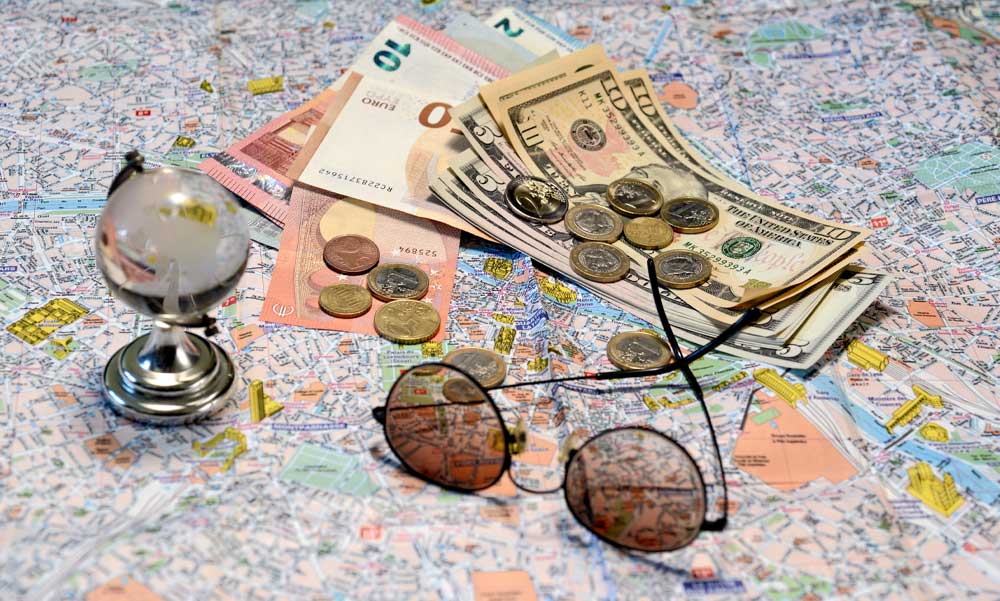
Budget travel – Forget the overpriced tourist traps – 2026 is all about traveling smarter, not harder. This guide breaks down how to hack your way across the globe using AI tools, “slow travel” vibes, and budget-friendly secrets that actually work. Whether you’re a student or a digital nomad, here’s how to see the world without killing your bank account.
1. The AI Revolution: Your Free Travel Agent
In 2025, the most powerful tool in your pocket isn’t your passport—it’s your AI assistant. While legacy search engines still have their place, generative AI has transformed how we find deals. Instead of spending hours cross-referencing tabs, travelers use AI to build “cost-optimized
Actionable Tip: Use the Google Flights “Explore” feature combined with AI prompts like: “Create a 10-day itinerary in Southeast Asia starting from Berlin in May with a total budget of $1,200, prioritizing overnight trains to save on accommodation.”
2. The Rise of “Slow Travel” and Rail-Maxing
Fast travel is expensive. Moving between three cities in a week increases transport costs. In 2025, young travelers are embracing Slow Travel. By staying in one location for at least two weeks, travelers can unlock monthly discounts on platforms such as Airbnb or Worldpackers. Moreover, the Rail-Maxing trend has increased. With the expansion of high-speed rail networks and the popularity of the Interrail Pass for those under 27, crossing borders by train is often cheaper and more scenic than budget airlines when considering the cost of getting to remote airports and paying for carry-on luggage.
3. The “New” Accommodation Economy
The traditional hostel is evolving. While social hostels remain the core of youth travel, 2025 has seen a surge in alternative stays:
- House Sitting & Pet Sitting: Platforms like TrustedHousesitters allow stays in high-end homes for free in exchange for looking after a pet.
- Skill-Swapping: Use Workaway to trade five hours of social media management or gardening for a room and meals.
- The Capsule Trend: Budget-friendly capsule hotels are emerging across Europe and North America, offering more privacy than a dorm at a fraction of a hotel price.
4. Financial Literacy: Beating the Hidden Fees
The quickest way to lose money on a trip is through hidden financial costs: ATM fees, poor exchange rates, and roaming charges. Modern travelers in 2025 have moved away from traditional banks. Using neo-banks such as Revolut or Wise allows currency conversion at the mid-market rate.
Pro Tip: Never choose “Pay in your home currency” at a foreign ATM. Always choose the local currency to let digital banks handle the conversion. Additionally, skip expensive roaming plans and download an eSIM via Airalo before arrival.
5. Food: The 70/30 Rule
Eating out for every meal increases costs. The most successful budget travelers in 2025 follow the 70/30 rule: 70% of meals are sourced from local markets or grocery stores, and 30% are “experience meals.” Utilize the Too Good To Go app, which has expanded globally in 2025. This app allows the purchase of surplus food from bakeries and restaurants at the end of the day for a reduced price.
6. The “Hidden City” and Shoulder Season Tactics
Aviation in 2025 is volatile. To combat this, “Hidden City” ticketing through sites such as Skiplagged remains popular (where a flight is booked with a layover in the actual destination and then the traveler simply leaves), though it requires traveling with only a backpack. The Shoulder Season (April-May and September-October) has become the “New Peak” for smart travelers. Flights are 30-40% cheaper, and the weather is more manageable. The “overtourism” taxes being implemented in cities such as Venice or Barcelona are often lower or non-existent during these months.
Conclusion: Experiences Over Possessions
Traveling on a budget in 2025 is about being resourceful. A sunrise at a free public beach in Bali is worth more than an expensive dinner in a tourist trap. By leveraging AI, choosing slower routes, and utilizing the sharing economy, young people are proving that the world is still accessible, one budget-friendly adventure at a time.
Cover photo by Evanto
